
Decode Your Food Labels Like a Pro
Master the art of reading nutrition labels and make informed choices about what you eat. Your guide to understanding food, ingredients, and nutritional content.
5 Steps to Reading Nutrition Labels
Follow these essential steps to become confident in understanding what's on your food packaging and making choices aligned with your health goals.
Check the Serving Size
Start at the top of the label. The serving size tells you how much of the food the nutrition information refers to. All values are based on this single serving, not the entire package.
Count Your Calories
Calories show how much energy one serving provides. Compare this to your daily intake goal. Remember: a 2000-calorie diet is the general guideline for most adults, but individual needs vary.
Review Key Nutrients
Focus on nutrients you want to limit (saturated fat, sodium, added sugars) and those you want to get enough of (fibre, protein, vitamins, minerals). The percentage daily value helps you assess contribution to your diet.
Read the Ingredient List
Ingredients are listed by weight from most to least. Recognise common additives and understand what each ingredient is. Shorter lists with familiar items often indicate less processed foods.
Compare and Choose
Use labels to compare similar products side by side. Look at which option better aligns with your nutritional priorities—whether that's lower sugar, higher protein, more fibre, or reduced sodium. Make informed decisions based on your personal health objectives.
Why Nutrition Labels Matter for Your Health
Nutrition labels are more than decorative text on packaging—they are essential tools for understanding exactly what you're consuming. Every nutrient listed, from vitamins and minerals to fats and carbohydrates, plays a role in your body's functioning and overall wellbeing.
When you learn to read labels effectively, you gain control over your dietary choices. You can identify foods that align with your nutritional goals, whether you're seeking to increase your intake of certain vitamins, reduce sodium, manage sugar consumption, or ensure adequate protein. This knowledge empowers you to make intentional decisions rather than relying on marketing claims or assumptions.
Many people are surprised to discover the actual nutritional content of foods they thought were healthy. Labels reveal hidden sugars, surprising amounts of sodium in savoury products, and the presence of ultra-processed ingredients. Understanding these facts helps you build sustainable eating patterns based on real information, not marketing hype.
Informed Decision-Making
Know exactly what nutrients each food provides before it enters your home.
Personalised Nutrition
Tailor your diet to your individual health needs and nutritional targets.
Better Health Outcomes
Consistent, informed choices lead to improved energy, digestion, and overall vitality.

Label Examples: Real Foods Analysed
See real examples of nutrition labels from common foods and learn what each section tells you about the product's nutritional profile.

Breakfast Cereals: Sugar Surprises
Discover why some cereals marketed as healthy can contain as much sugar as desserts. Learn to spot misleading serving sizes and compare fibre content across brands.
Read Article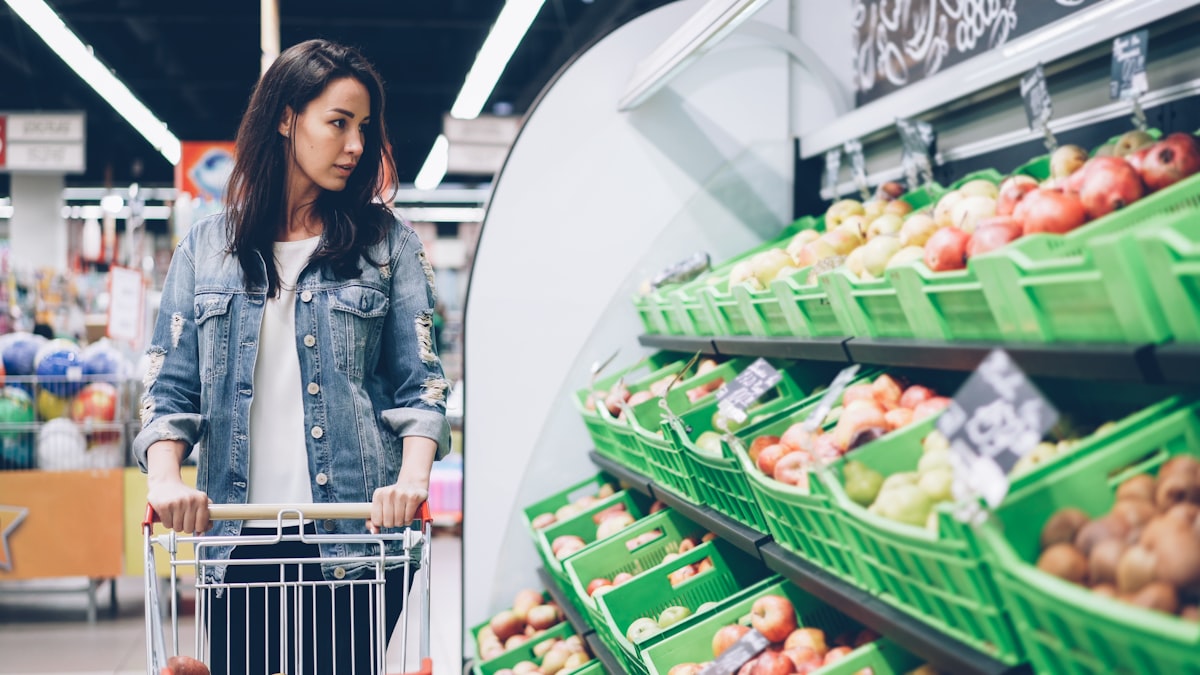
Yogurts: Plain vs. Flavoured
Uncover the nutritional differences between plain yogurt and flavoured varieties. See how added sugars and artificial ingredients differ, and identify the healthiest options.
Read Article
Bread & Grains: Fibre Content
Learn how to identify truly whole grain products by reading labels carefully. Understand the difference between dietary fibre claims and actual fibre content.
Read Article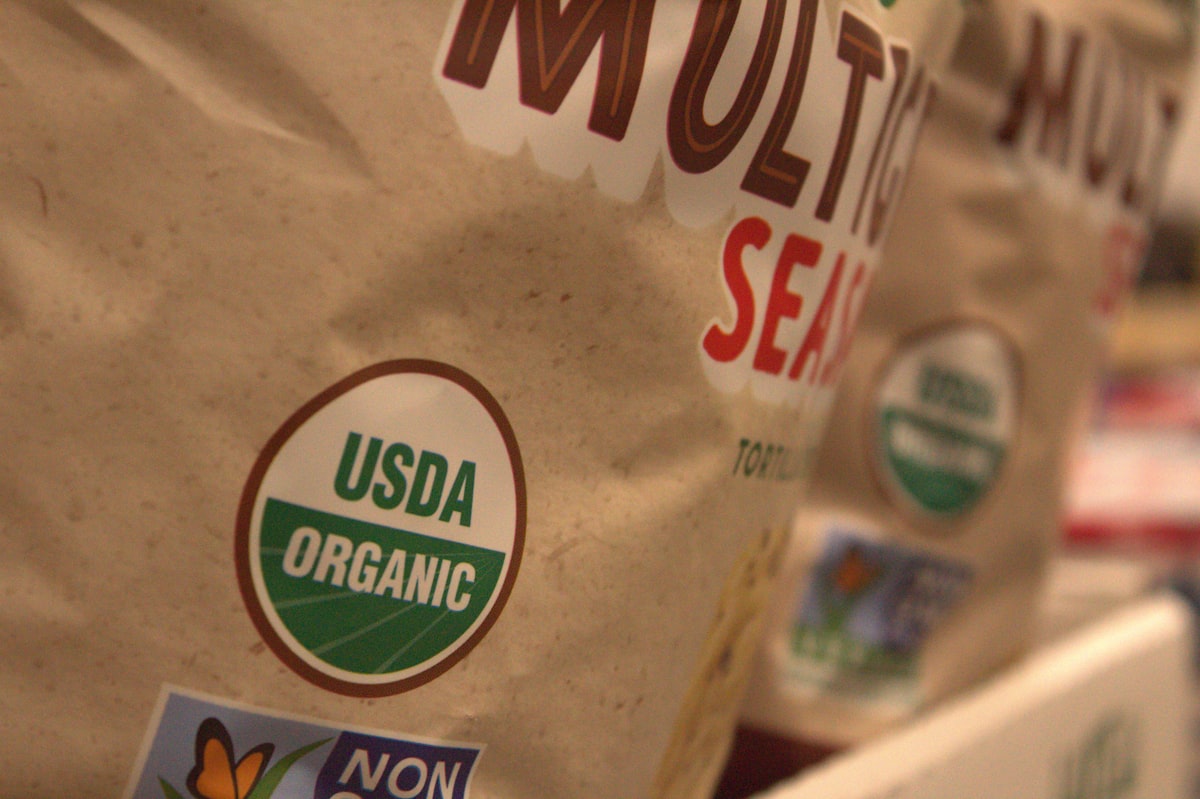
Snack Bars: Hidden Sugars
Many "healthy" snack bars contain as much sugar as confectionery. This guide shows you how to read labels to find genuinely nutritious snacking options.
Read Article
Beverages: Sugar in Liquids
Drinks often hide substantial sugar content. Compare soft drinks, juices, and smoothies to understand liquid calorie intake and make better beverage choices.
Read Article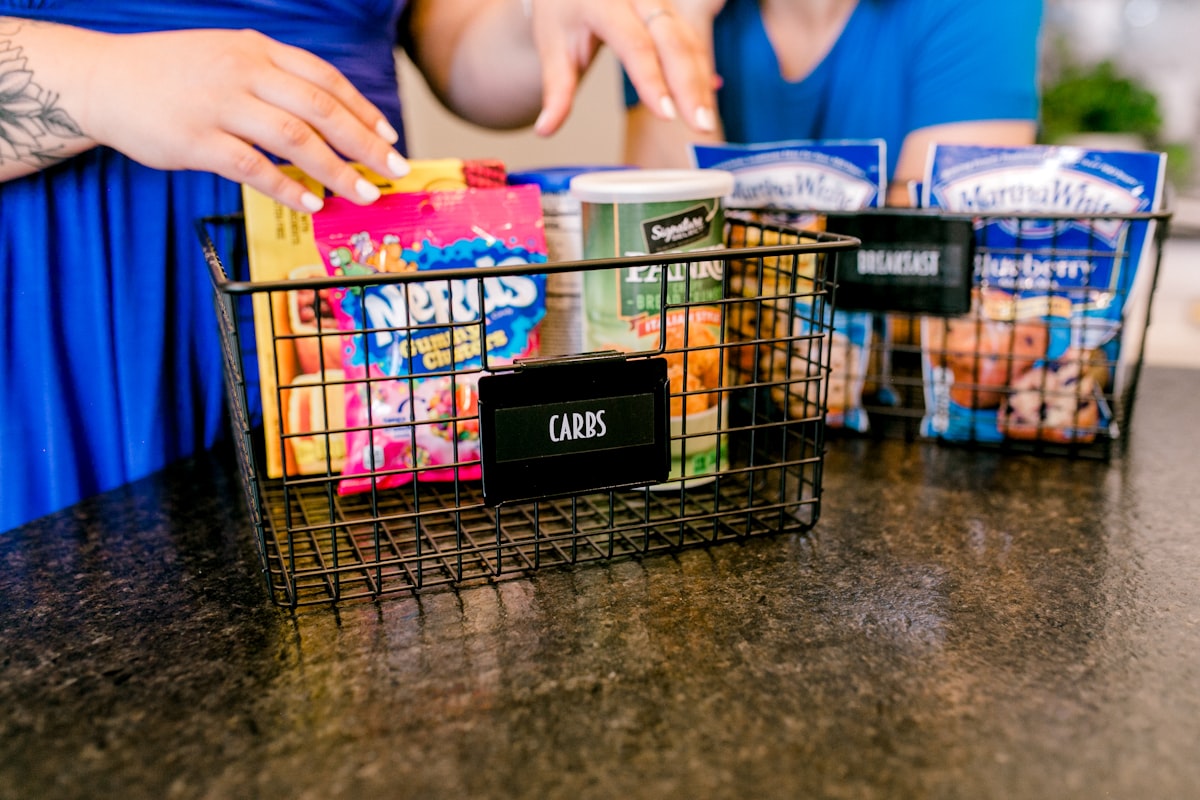
Frozen Meals: Sodium Levels
Processed frozen foods often contain high sodium levels for preservation. Learn to identify products with reasonable sodium content and understand daily limits.
Read ArticleHow People Changed Their Eating Habits
Discover how our readers learned to read nutrition labels and made meaningful improvements to their dietary choices and health.
"I had no idea how much sugar I was consuming daily until I started reading labels properly using the guides from this website. Once I understood serving sizes and ingredient lists, I completely changed my grocery shopping habits. Within a few weeks, I noticed increased energy levels and better digestion. This has been truly transformative for my family. *Individual results may vary."
Sarah Mitchell
Manchester, UK
"As someone managing my sodium intake due to personal health concerns, these label-reading articles were absolutely invaluable. I learned to identify hidden sodium in products I thought were safe. The practical examples with real food labels made it so easy to understand. I now navigate the supermarket with complete confidence."
David Chen
Birmingham, UK
"I'm an athlete trying to optimise my nutrition, and understanding how to properly read labels has made a huge difference in my training performance. I can now identify products with the right macronutrient balance for my goals. The detailed articles here saved me from relying on expensive nutritionists for basic label interpretation."
Emma Thompson
London, UK
"My children have food allergies and intolerances, so reading labels accurately is absolutely critical for our family. These guides have given me the confidence to identify problem ingredients quickly and safely select alternatives. The detail and clarity are exactly what we needed."
James Wilson
Leeds, UK
"At 65, I wanted to take control of my diet for better aging. These articles on nutrition labels empowered me to understand nutrient density and make foods that support my wellbeing. It's never too late to learn, and this resource made it accessible and practical."
Patricia Johnson
Glasgow, UK
"As a vegetarian wanting to ensure I get adequate protein and nutrients, understanding how to properly read nutrition labels has been absolutely essential. The comprehensive guides here helped me identify quality plant-based products and track my nutritional intake accurately."
Rachel Foster
Edinburgh, UK
Common Questions About Nutrition Facts
Find answers to frequently asked questions about reading and understanding nutrition labels.
What does "Daily Value" mean on nutrition labels?
Daily Value (DV) represents how much a nutrient in a serving of food contributes to a daily diet based on a 2000-calorie intake. A DV of 5% or less is considered low in that nutrient, while 20% or more is considered high. This helps you understand whether the food contributes meaningfully to your daily needs for that specific nutrient.
How can I tell the difference between added sugars and natural sugars?
UK nutrition labels now distinguish between added sugars and naturally occurring sugars. The ingredient list also helps—if sugar or sweetening ingredients are listed high on the ingredients list, the product contains significant added sugars. Fruits, for example, contain natural sugars but no added sugars. Check both the label and ingredients for complete understanding.
What is a reasonable daily sodium intake?
The UK recommendations suggest no more than 6 grams (2400mg) of sodium per day for adults. Foods high in sodium include processed foods, canned soups, deli meats, and condiments. By reading labels and comparing products, you can keep your sodium intake within healthy limits and reduce risk of high blood pressure.
What's the best way to compare similar foods?
Always compare foods based on the same serving size first. Check calories, sugar, sodium, and fibre for your key nutritional priorities. Look at the ingredient lists to see which product uses more whole foods and fewer additives. Don't rely solely on marketing claims—the label tells the real story about nutritional content.
How do I identify allergens on food labels?
UK and EU regulations require clear labelling of the 14 major allergens: peanuts, tree nuts, milk, eggs, fish, crustaceans, molluscs, cereals containing gluten, soya, celery, mustard, sesame, sulphites, and lupin. These are highlighted either in the ingredient list or in a "May contain" statement. Always read thoroughly if you have allergies or intolerances.
Why is fibre important and how do I find it on labels?
Dietary fibre supports digestive wellbeing, helps maintain healthy cholesterol levels, and promotes satiety. On nutrition labels, fibre is listed as part of carbohydrates. Aim for foods with at least 3-5 grams of fibre per serving. Whole grains, vegetables, fruits, and legumes are excellent fibre sources easily identified by reading labels.
Start Your Nutrition Label Journey Today
Ready to master nutrition labels and take control of your dietary choices? Browse our complete collection of articles, guides, and real-world examples to become a confident, informed food consumer.
Have questions about nutrition labels? Contact our editorial team for content feedback and suggestions.